
For many Albertans, the conversation about leaving Canada isn’t about ideology — it’s about frustration that’s been building for decades. Over-taxed, over-regulated, and consistently ignored by Ottawa, Alberta is increasingly asking a hard question: what are we getting in return?
Alberta is one of the largest contributors to Canada’s balance of payments, sending tens of billions of dollars more to the federal government than it receives back each year. That money helps fund programs and services across the country, yet Albertans often feel their own economic priorities are sidelined. While other regions receive federal accommodation and investment, Alberta’s economic engine is treated like a political liability.
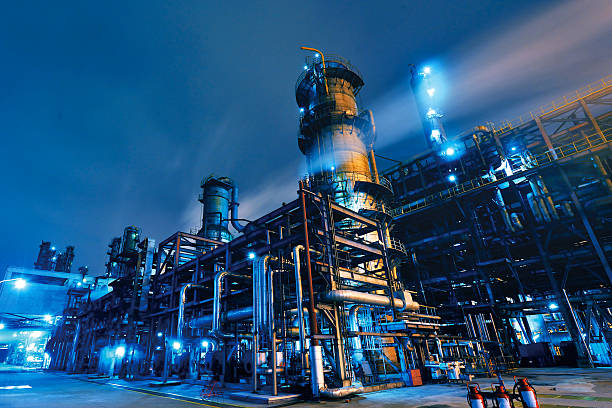
Nowhere is this tension clearer than in energy policy. Alberta’s energy sector is the backbone of its economy and is being burdened by layers of federal red tape, regulatory uncertainty, and constantly shifting environmental rules. Projects are delayed, canceled, or driven out of the country entirely, costing jobs, investment, and long-term prosperity. To many Albertans, it feels less like regulation and more like intentional obstruction of the very industry that keeps Canada financially afloat.
Against this backdrop, the province has established a panel to examine Alberta’s future within Confederation and is moving toward a possible public vote in 2026. The goal, supporters argue, isn’t to rush separation but to finally force a serious conversation about fairness, autonomy, and respect. If Alberta continues to pay disproportionately, shoulder the economic load, and absorb political punishment for its resources, many are asking why staying the course makes sense.
This moment isn’t about anger, it’s about leverage. Alberta wants a relationship with Canada that reflects its contribution, not one that treats it as a convenient ATM. Whether that leads to reform within Canada or a vote on leaving it altogether will depend on whether Ottawa is willing to listen, or continue business as usual.